

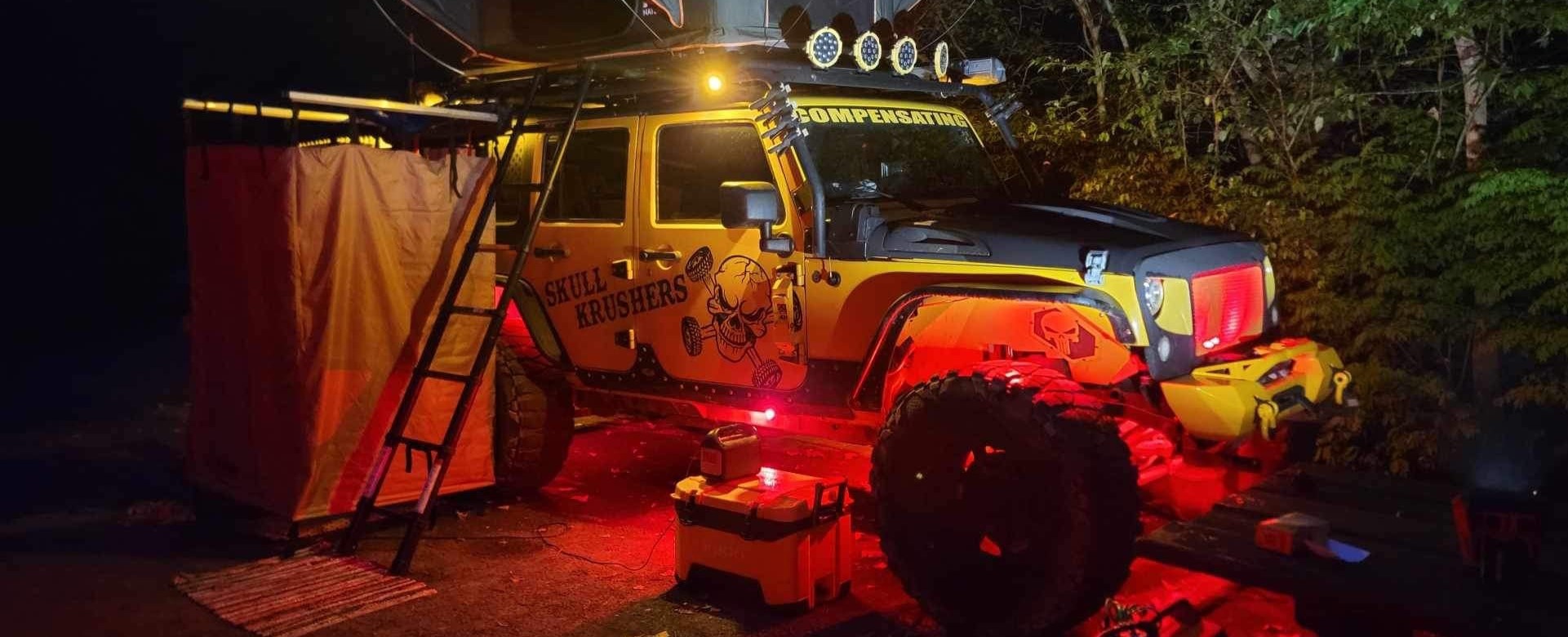
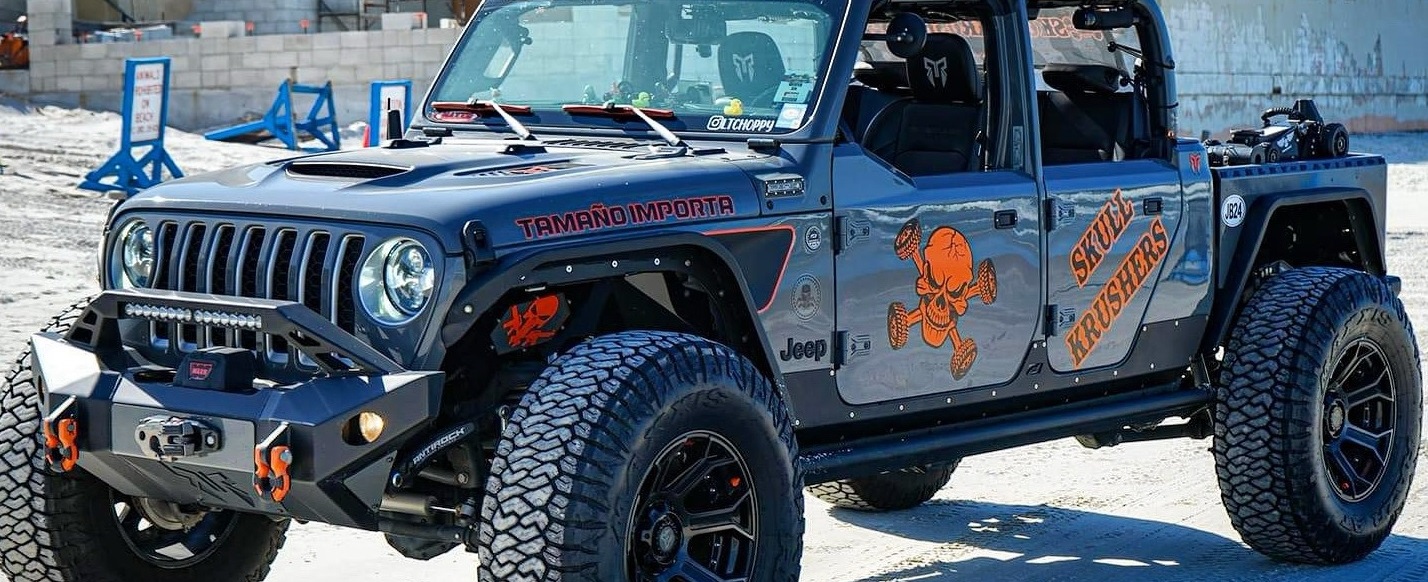
Custom inner fenders can change the personality of a Jeep without changing the shape of the entire vehicle. They sit in a visually important area, frame the suspension and wheel well, and create a place where color, cut patterns and personal artwork can become part of the build. The strongest result, however, starts with decisions that are more practical than visual. Fitment, clearance, finish and how the Jeep is used should guide the design before a logo or color is selected.
Start with exact vehicle information
Begin with the Jeep model, model year, trim and any suspension changes. A Wrangler JK, Wrangler JL and Gladiator JT can look related, but their mounting points and available space are not interchangeable. Even within one platform, aftermarket shocks, reservoirs, wiring, air systems and other accessories may affect the space behind the fender. Write down what is currently installed and what you expect to add later.
Do not choose by photograph alone. A product shown on a similar Jeep may use different brackets or clearances. Confirm the product variation for the exact vehicle before ordering. If the store provides model and year choices, complete every required selection. When there is any doubt, send clear wheel-well photographs to the team and ask for fitment guidance.
Decide what job the inner fender needs to do
For some owners, the priority is a cleaner wheel well and a stronger visual finish. Others need space around performance suspension components or want more airflow through a vented panel. A daily-driven Jeep may prioritize easy cleaning and a restrained design. A show build may use contrasting color and a detailed graphic. A trail-focused vehicle may call for a pattern that remains easy to inspect after mud, water and dust.
List the goals in order. A useful order is fitment first, service access second, durability third and appearance fourth. That does not make style unimportant. It makes sure the style is applied to a part that works properly on the vehicle.
Choose a design that belongs to the whole Jeep
The wheel well is already busy. Tires, shocks, springs, brake components and body lines all compete for attention. A good inner-fender design adds a focal point without creating visual noise. Look at the Jeep from several steps away and identify the colors and shapes that already repeat. The grille, wheels, recovery points, badges and decals offer useful clues.
If the Jeep has one strong accent color, repeating it inside the wheel well can create continuity. If it already carries several graphics, a simpler cut pattern may produce a more premium result. A no-logo fender can be the right choice when the stance and suspension should remain the main subject. Custom does not always mean complicated.
Prepare artwork correctly
When the design includes a personal logo, club mark, military tribute or business identity, send the cleanest source available. Vector artwork is ideal because it can be scaled without losing edge quality. A high-resolution PNG with transparency can also help. A small screenshot, compressed social image or photograph of a printed logo usually requires more interpretation and may not reproduce cleanly.
Tell the designer which elements must remain exact and which can be simplified. Thin lines, tiny text and closely spaced details may not translate well into a cut pattern. The goal is to preserve the identity while adapting it to the material and viewing distance. Ask for confirmation before production if orientation, spelling or symbol placement is important.
Plan color and finish in real conditions
Colors change under sunlight, shade, garage lighting and trail dust. A bright accent may look powerful in photographs but dominate the vehicle in person. Black or neutral panels can make a colored suspension component stand out. A colored backing or mesh can introduce the accent more subtly than coating the entire visible panel.
Use photographs taken outdoors when comparing paint or powder-coat direction. Screen colors are not physical color standards, and two parts described with the same general color name can still differ. If an exact match is essential, discuss available references and acceptable variation before the order is finalized.
Think about installation before ordering
Review the installation location while the Jeep is clean and safely parked. Identify existing fasteners, wiring and accessories. Confirm whether wheel removal, drilling or additional tools may be required for the selected product. Installation methods vary, so follow the instructions supplied with the part rather than treating a general online video as the only reference.
If professional installation is appropriate for your experience level or vehicle configuration, include that cost and timing in the project plan. A careful installation protects the finish, avoids pinched wiring and gives the panel the alignment the design deserves.
Review the complete order before checkout
Variable products can include several connected choices, so read the final configuration in the cart rather than relying on memory. Confirm the Jeep platform, front or rear location, design name, color and any custom artwork charge. Make sure the uploaded file is the intended version and that the contact information on the order is current. A working phone number is especially useful when a custom detail needs clarification before production.
Save a copy of the submitted artwork and order confirmation. If you have written instructions about orientation, wording or color placement, keep those notes together. Clear records make the approval conversation faster and reduce the chance that an assumption becomes part of the finished component.
Use a simple pre-order checklist
- Confirm model, year, trim and left/right requirements.
- List suspension parts and accessories inside the wheel well.
- Choose the primary goal: finish, airflow, clearance or personalization.
- Send clean artwork and describe which details are essential.
- Confirm color, backing, mesh and finish options.
- Review lead time and custom-product return conditions.
- Plan the tools, workspace and help needed for installation.
The best custom inner fender is not simply the most detailed option. It is the one that fits the vehicle, supports how the Jeep is used and connects visually with the rest of the build. Start with accurate information, make each choice deliberately and ask questions before production. That process turns an accessory into a signature detail.