

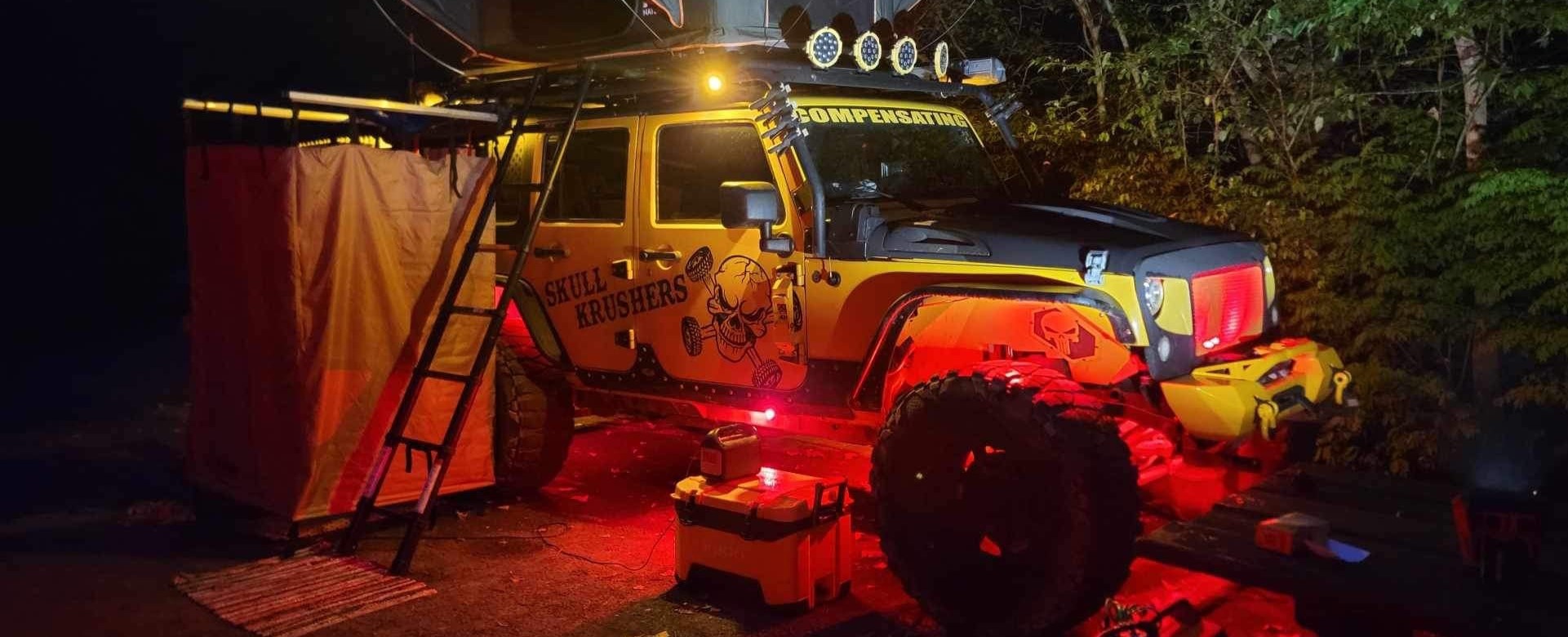
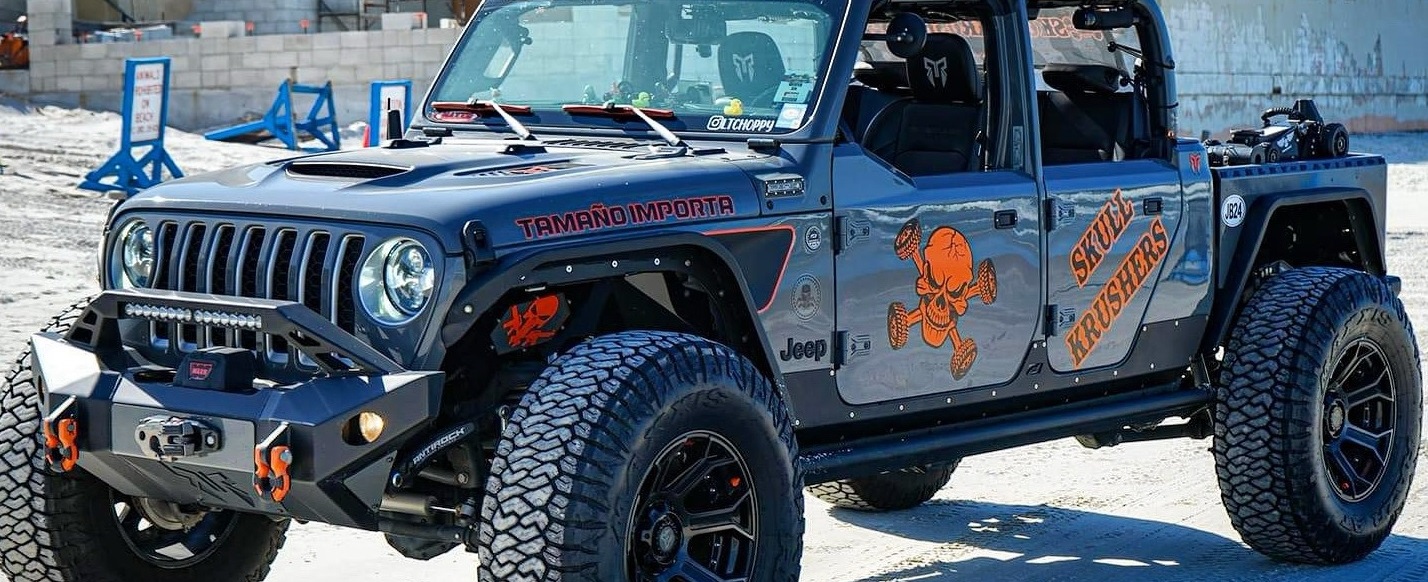
A memorable Jeep build is rarely defined by the number of parts installed. It is defined by the relationship between those parts. Wheels, fenders, lighting, decals and color can each look good alone, yet still feel disconnected when placed on the same vehicle. A cohesive build uses a clear theme, a controlled palette and repeated visual cues so every upgrade supports one idea.
Write the theme in one sentence
Before shopping, describe the intended build in one sentence. Examples might include a clean military-inspired daily driver, a bold patriotic show build, or a dark trail Jeep with one red accent. The sentence becomes a filter for future decisions. If a product is exciting but does not strengthen the direction, it may belong on a different build.
A theme does not have to be literal. It can be based on an attitude such as technical, classic, aggressive or understated. It can also begin with something personal: a family symbol, a service tribute, a favorite landscape or a business identity. The important part is choosing a direction narrow enough to guide real decisions.
Limit the color system
Most polished builds use a base color, a supporting neutral and one accent. The body usually establishes the base. Black, graphite or metallic finishes often serve as the neutral across wheels, bumpers and hardware. The accent can appear in smaller, intentional locations such as fender backing, recovery points, wheel details, badges or graphics.
Repeating an accent creates rhythm, but repetition needs restraint. If every component uses the brightest color, the eye has nowhere to rest. Choose two or three high-value accent locations and allow the remaining parts to support them. A wheel-well panel can connect an exterior decal to a suspension component without covering the entire Jeep in the same color.
Choose one visual language
Look at the shapes in each potential upgrade. Angular bumpers, technical wheel spokes and geometric fender patterns naturally work together. Rounded retro lights and classic-style wheels may support a heritage direction. Mixing several visual languages can work, but it requires a deliberate bridge such as shared color, finish or proportion.
Custom fender artwork should follow the same rule. A highly detailed illustration may suit a themed show vehicle, while a simple emblem may fit a cleaner build. Consider how the graphic looks from ten or twenty feet away. Strong silhouettes usually remain readable at distance and when the wheel well is partially shadowed.
Build from large decisions to small ones
Start with stance and major components because they control the vehicle’s overall proportions. Wheel and tire size, suspension height, bumpers and fender treatment create the structure. Next, use lighting, grilles and body accessories to develop the face of the Jeep. Finish with decals, handles, caps, badges and interior touches.
This order prevents a common problem: buying several small accessories and later discovering that they conflict with a major component. It also protects the budget. Large fitment-dependent purchases receive attention first, while lower-cost details remain flexible until the larger shape is established.
Create a visual inventory
Take clear photographs from the front, rear, both sides and each three-quarter angle. Place them in one folder with images of products under consideration. Seeing everything together exposes repetition and conflict. A simple collage is enough. You do not need professional design software to notice that two graphics use different themes or that one finish is warmer than the rest.
Keep a short build sheet with the product, finish, fitment and purpose of every planned item. Mark each as installed, ordered or under consideration. This helps when asking a supplier about compatibility and reduces duplicate purchases.
Use custom parts as the connector
Custom parts are most effective when they connect elements that already exist. Inner fenders can repeat a door graphic, echo a wheel-spoke shape or place an accent color near the suspension. A custom gas-cap logo or hitch cover can carry the same symbol to the rear of the vehicle. The result feels intentional because the viewer encounters the idea more than once.
Send the fabricator photographs of the whole Jeep, not only the empty product location. Explain the theme and identify the other parts that need to coordinate. That context helps the custom element become part of the vehicle instead of a separate decoration.
Protect function and fitment
Visual consistency never replaces compatibility. Confirm the model year, trim and related modifications for every functional part. Wheel offset, tire dimensions, suspension geometry, lighting wiring and bumper clearances can affect safety and performance. Product photographs are inspiration, not proof that the same combination fits another Jeep.
When changing several connected systems, use qualified installation help where needed. Follow manufacturer instructions, torque specifications and local road requirements. A cohesive build should be dependable as well as attractive.
Use lighting to support, not overwhelm
Lighting has a powerful effect on the identity of a Jeep because it changes both the daytime face and the nighttime experience. Choose headlamps, auxiliary lights and accent lighting for the conditions in which they will actually be used. Similar color temperature and consistent housing finishes usually create a more unified appearance than a mix of unrelated products.
Decorative light should remain secondary to safe, useful illumination. Route wiring carefully, protect connections from weather and confirm that switches and brightness comply with the rules where the vehicle is driven. When the functional lighting is resolved first, smaller accent choices can reinforce the theme without making the Jeep feel like several separate projects.
Leave room for the Jeep to evolve
A strong theme is a framework, not a rule that freezes the vehicle forever. Choose a system that can accept future changes. Neutral major components and replaceable accent details make it easier to refresh the look. Swappable logos, backing colors, decals and smaller accessories can update the story without restarting the entire build.
- Define the theme in one sentence.
- Use a base, a neutral and one controlled accent.
- Repeat shapes and finishes across related components.
- Plan major fitment decisions before decorative details.
- Use custom parts to connect existing ideas.
- Review the Jeep from a distance and in natural light.
The finished Jeep should feel clear before anyone studies the individual parts. When the stance, color, graphics and details all support the same direction, the build becomes more recognizable and more personal. That is the difference between a collection of upgrades and a vehicle with a story.